Couples in Japan: Why Two ¥5M Incomes Beat One ¥10M
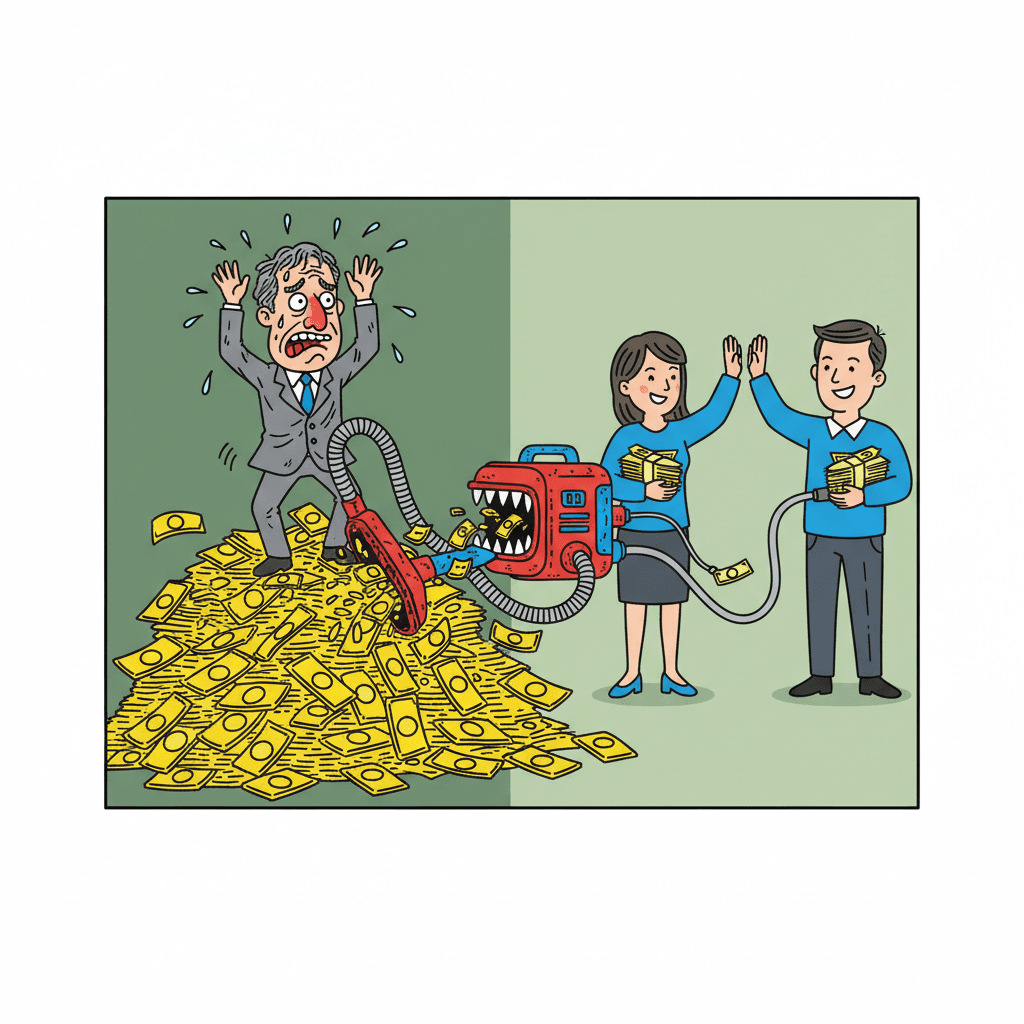
So apparently, a couple both earning ¥5 million a year takes home more cash than a couple where one person earns ¥10 million.
I always thought ¥10 million was the magic number in Japan. You know, the salary goal that meant you’d finally “made it.” You could afford that slightly bigger apartment where the washing machine isn't on the balcony and maybe even buy the expensive cheese without flinching. But it turns out, the Japanese tax system has some opinions on *how* your household makes that money.
The ¥450,000 Question
Let’s look at two couples, both with a household income of ¥10 million. Couple A has one partner grinding away to earn all ¥10 million while the other stays home. Couple B has two partners, each earning a nice, respectable ¥5 million.
In a shocking twist that feels uniquely Japanese, Couple B—the dual-income duo—walks away with about ¥450,000 more in their pockets at the end of the year. That's a round-trip ticket home, a new MacBook, or an frankly irresponsible amount of fancy ramen. It’s a real, tangible difference.
It’s the Progressive Tax, Babe
So what gives? It all comes down to Japan's progressive income tax system (累進課税, ruishin kazei). The more you earn, the higher the *percentage* of tax you pay. It’s not a flat rate. That one high earner in Couple A gets shoved into a much higher tax bracket, and a bigger chunk of their salary goes poof.
But the two earners in Couple B both stay in lower, gentler tax brackets. So, combined, they pay less tax overall. There are also other fun little rules, like how certain tax deductions get smaller or disappear completely once your salary gets too high (looking at you, anyone earning over ¥8.5 million). It’s a classic case of the system rewarding two people doing moderately well over one person doing extremely well.
The Dreaded “Income Wall”
This is all related to the infamous “income wall” (年収の壁, nenshuu no kabe) you hear people talking about. It’s why your friend’s partner might be meticulously tracking their hours to make sure they don't earn over ¥1.3 million a year. Step over that line, and suddenly they have to pay for their own pension and health insurance, which can sometimes mean the household's net income actually *goes down*.
It’s one of those beautiful Japanese paradoxes: working more can literally cost you money. You gotta love it. 🫠 Anyway, it’s just something to think about next time you and your partner are talking career plans. Or when you're crying over your payslip.
Sign in to keep your name & data