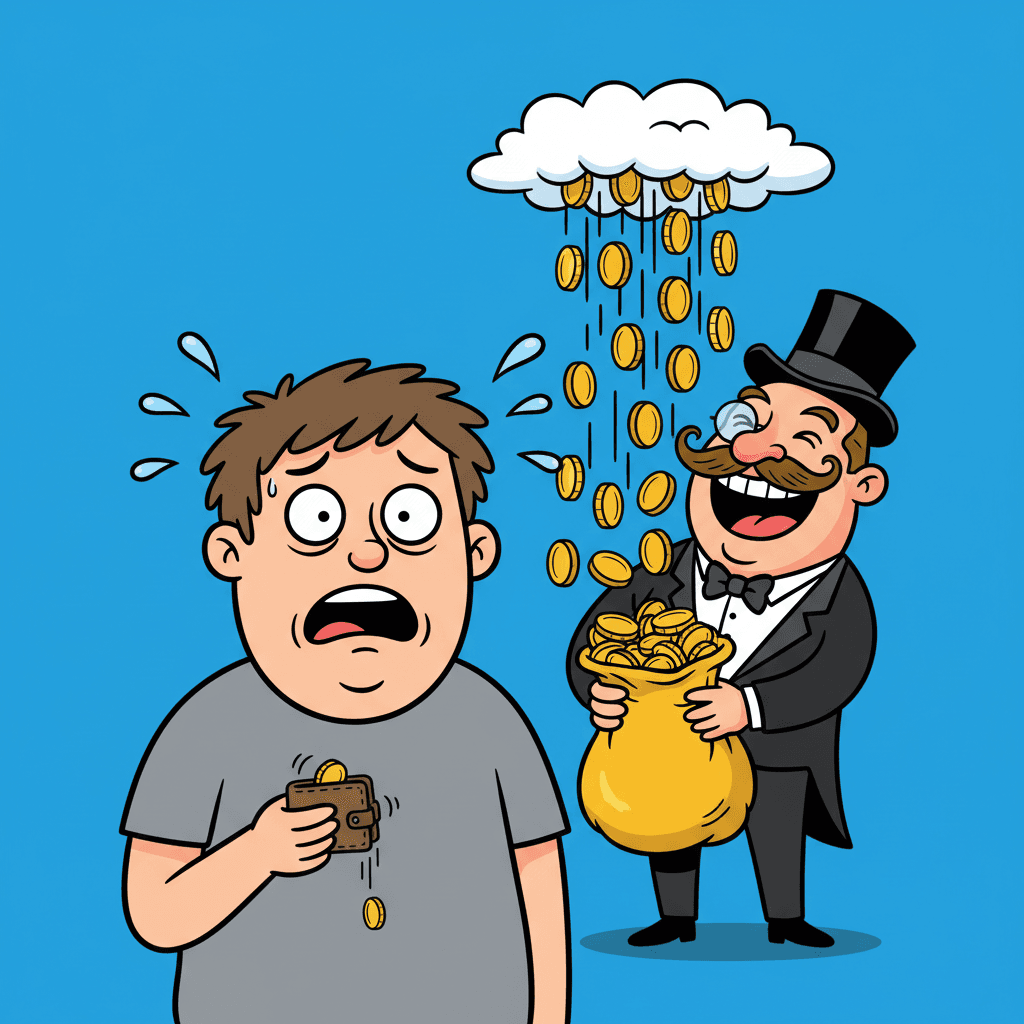
Why Japan's Grocery Tax Cut Is a Trap
That proposed tax cut on groceries you heard about? It might actually make you poorer.
The Good News That Isn't
So you hear whispers of a tax cut on food and think, 'Finally, a break from these rising prices!' On the surface, it sounds great. The 8% consumption tax on groceries might be scrapped, saving you money on every trip to the konbini or supermarket.
But here's the catch. The more you spend, the more you save in actual cash. A family spending ¥50,000 a month on groceries saves ¥4,000. But the family dropping ¥150,000 on fancy depachika wagyu and imported cheese? They save ¥12,000. The rich get a bigger cashback, while the rest of us are just happy our cup noodle is a few yen cheaper.
Your Yen Says "Ouch"
Here’s the bigger problem. When financial markets hear 'Japan is cutting taxes it can't afford,' they get nervous. That nervousness makes our poor yen even weaker. 😥
A weaker yen means everything Japan imports—from the oil that powers the country to the flour for your shokupan—gets more expensive. So that tiny discount you got on your groceries? It gets completely wiped out by a new wave of inflation. It's a vicious cycle where a supposed 'benefit' ends up costing us more.
A Nation Running on Fumes
Japan's national budget is already stretched impossibly thin. Imagine your monthly salary is ¥300,000, but ¥150,000 is automatically gone for loan payments and other fixed costs. That's basically Japan. Over half the budget is pre-spent on debt and social security.
The result? The stuff that actually matters for the future gets starved of cash. Japan’s spending on education is below the average for developed countries, while its infrastructure from the 60s and 70s—bridges, tunnels, sewer pipes—is all starting to crumble at once. That sinkhole that opened up out of nowhere? Yeah, that's part of it.
The Invisible Pay Cut
To avoid raising taxes, which is politically unpopular, the government has let social insurance premiums creep up for years. For most of us, this is that huge chunk of money that vanishes from our paycheck before we even see it. It's what they call a stealth tax, basically. 🤔
A typical person earning ¥5 million a year is paying over ¥700,000 in these premiums. It's a massive burden on working people, and it happens without much public debate. So while they talk about giving us a small tax cut with one hand, they're taking a much bigger slice with the other.
Sign in to keep your name & data