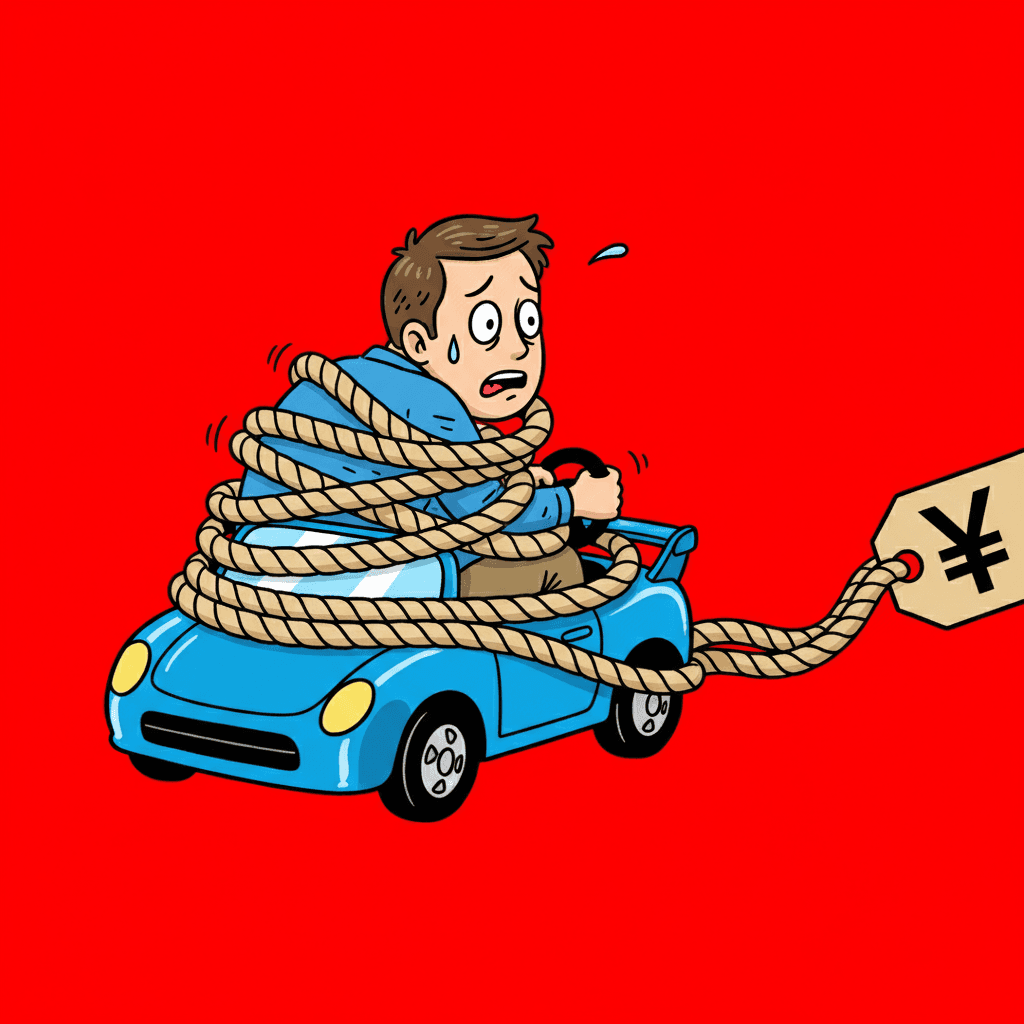
The Great Japanese Car Loan Debate
I always wondered how everyone affords those brand new cars here, and apparently the answer is a very complicated loan.
So what's the deal with 'Zankure'?
A recent article on the Japanese site *carview!* about a special type of car loan has been causing a huge debate online. It’s called “zanka settei loan” (残価設定ローン), or “Zankure” for short.
Basically, you only pay off part of the car's price over a few years. The leftover amount—the “residual value”—is kicked down the road. When your term is up, you can either return the car, pay the huge remaining balance, or trade it in for a new car and start the cycle all over again.
The whole thing is getting popular because, surprise, new cars are ridiculously expensive. The article notes that for people in their 30s, almost a quarter of them (23%) are buying cars this way. It’s a way to get a new ride without having 4 million yen sitting in your bank account.
The internet is, of course, divided
People in the comments section were pretty split. On one side, you have folks saying it’s a perfectly valid option. They're like, “Look, who has that much cash? At least this way I can drive a decent car.” Others pointed out that with inflation, waiting to save up just means the car gets even more expensive.
But the other side is waving a big red flag. 🚩 They argue that Zankure isn't a discount, you're just delaying the inevitable payment. And the real kicker is that you’re paying interest on the *entire* loan, including the massive chunk you deferred. So you can end up paying more in total.
The biggest warning was about accidents. Even if someone else hits you, the car's official value plummets. When you go to return it, the dealer will say it's worth less than the agreed-upon residual value, and you have to pay the difference out of pocket.
So... is it a good idea?
An industry expert in the article called it a “win-win.” Dealers love it because it locks customers into a 3-to-5-year upgrade cycle. And for people who see cars less as a long-term possession and more like a subscription service, it makes sense. Especially for younger people whose life might change.
Still, it seems a lot of people sign these contracts without really understanding the fine print about total costs or accident risks. It all feels very much like a classic “only in Japan” system: looks super convenient on the surface, but has layers of complexity and potential pitfalls hidden just underneath.
Now when I see a brand-new Alphard gliding down the street, I just wonder if the driver is enjoying the ride or just thinking about the payment they’ll have to make in three years.
Sign in to keep your name & data