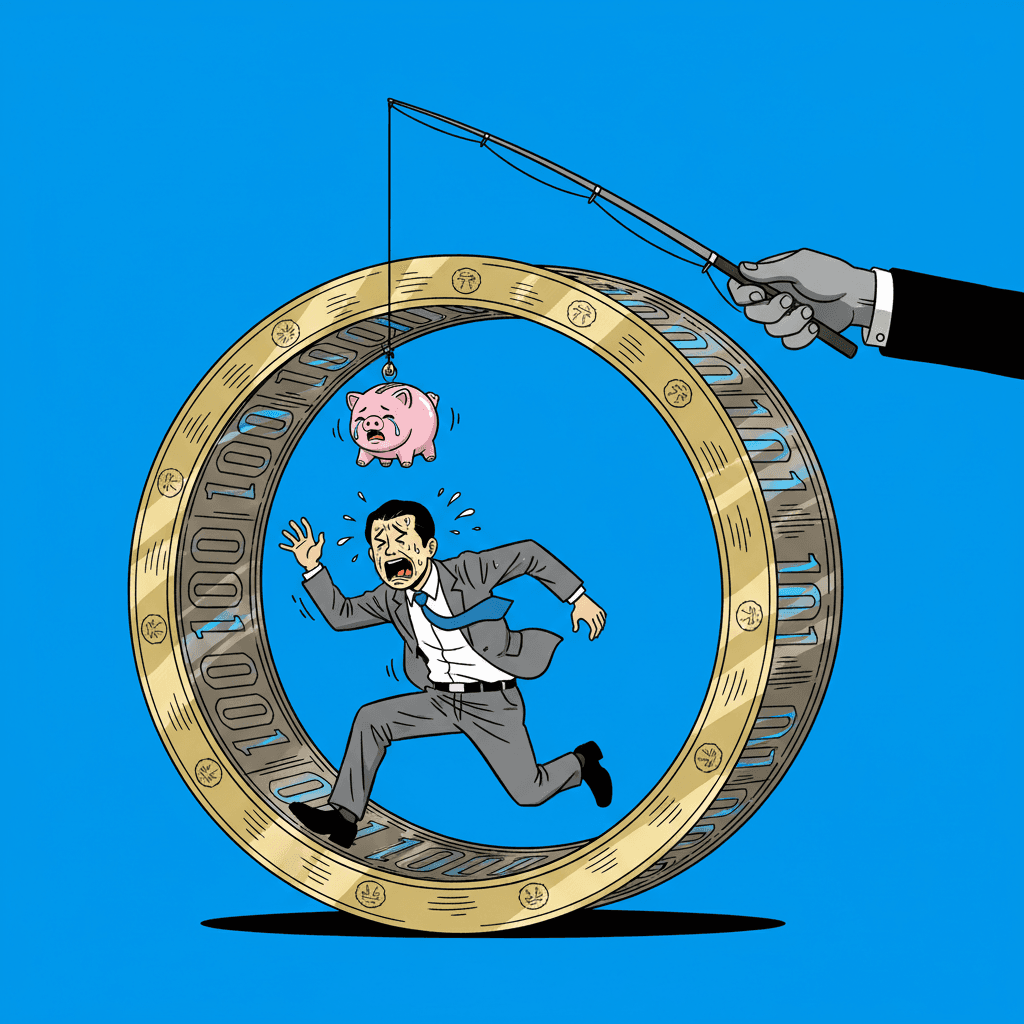
Your Paycheck Just Got Smaller to Fund Kids
Your health insurance bill just went up by about ¥600 a month. And no, it has nothing to do with your health.
What just happened to my money?
Starting in 2026, the government rolled out the "Child and Child-rearing Support Levy." You might have seen people online calling it a "singles tax," but that's not quite right. It's actually an everyone tax.
If you're enrolled in Japan's public health insurance—which is, you know, all of us—you're paying it. Company employees, self-employed folks, even the elderly. It’s being automatically deducted from your insurance premiums, which you probably saw on your May paycheck.
The official goal is to create a society-wide system to tackle the low birthrate, funding things like bigger child allowances and more daycare spots. It's part of that "different dimension" plan to boost births.
So, how much are they taking?
For 2026, the average monthly hit is around ¥550 to ¥600 if you're a company employee. Your employer pays the other half. For freelancers on National Health Insurance, it's about ¥600.
But that's just the start. This isn't a one-time thing. The government's own projections show the monthly amount for company employees increasing to around ¥700 in 2027, and then to about ¥900 by 2028.
The government legally guarantees this money can only be used for child-rearing support and won't be diverted to, say, build another bridge somewhere.
Still, it feels weird. I get the idea of social support. But seeing my own paycheck shrink to fund a national project with a pretty uncertain outcome is a whole other thing.
Sign in to keep your name & data