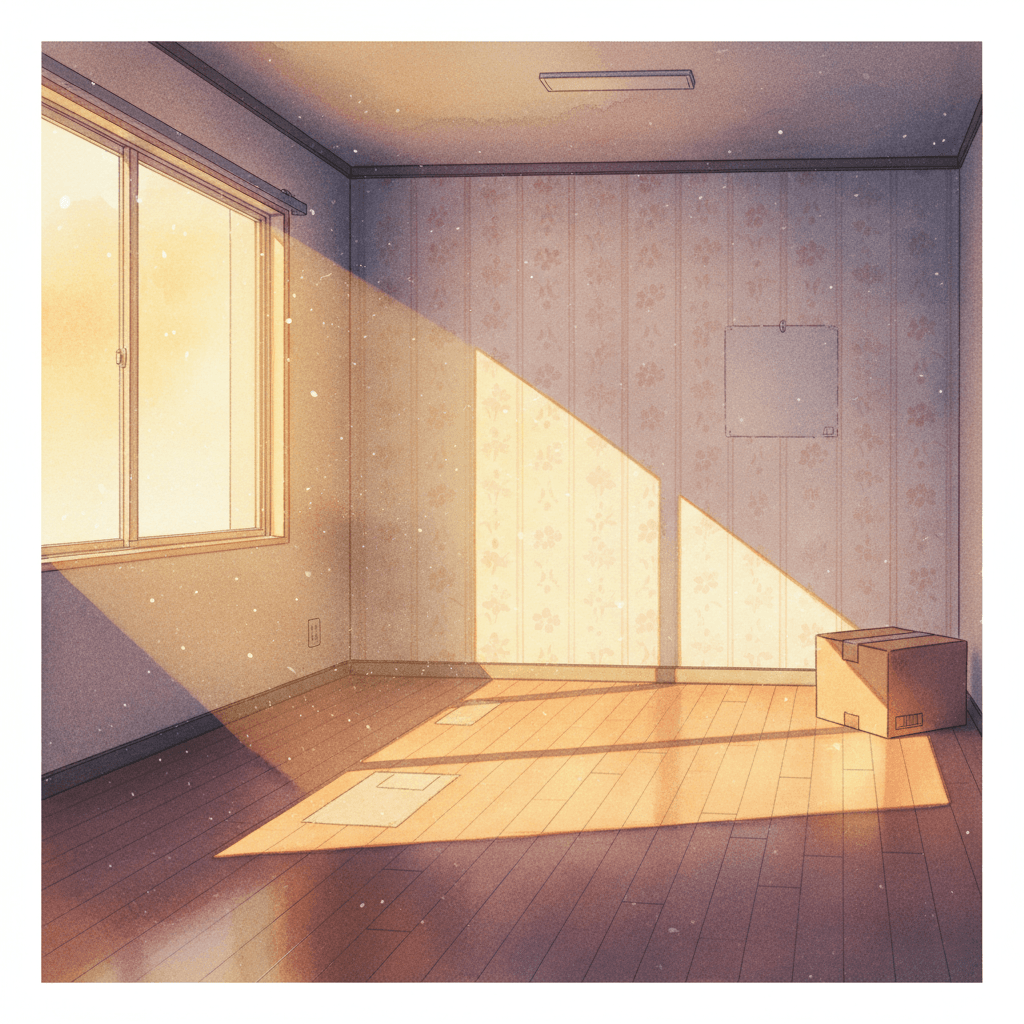
How to Fight Your Moving-Out Bill in Japan
The first time I moved apartments, they hit me with a ¥150,000 bill. I ended up paying only ¥30,000.
The "Original Condition" Trap
I'd lived there for two years. When I got the final invoice, my deposit of ¥100,000 was gone, and they wanted another ¥50,000 on top. The list was wild: full wallpaper replacement, fixing "scratches" on the floor, deep cleaning fees...
You see, the contract has this phrase, "原状回復" (genshō kaifuku), which means "restoration to original condition." Most of us just assume that means we have to pay to make the apartment look brand new. It doesn't. And they count on you not knowing that.
Why It's (Mostly) Not Your Bill
There's an official rulebook from the Japanese government (the MLIT) that most landlords hope you've never heard of. It clearly states that your rent already includes a cost for "normal wear and tear" (通常損耗, tsūjō sonmō) and "age-related deterioration" (経年劣化, keinen rekka).
That means things like the floor getting dented from your refrigerator, or the wallpaper turning a bit yellow from the sun? That's the landlord's cost to fix, not yours. It's just the cost of doing business. You only have to pay for things you actually damaged through carelessness, like spilling wine and not cleaning it up, or knocking a hole in a door.
Here's the best part: for things like wallpaper, its official value depreciates over time. After 6 years, its accounting value is legally considered to be ¥1. So even if you did scuff it, if you've been there over six years, you owe next to nothing for a full replacement.
The Magic Phrase
When you get that bill, don't panic and don't sign anything. Take a deep breath, and then ask this: "Could I please get an itemized statement? I'd like to check it against the MLIT guidelines." (「精算明細書をいただけますか?国土交通省のガイドラインと照らし合わせて確認したいので。」)
Just saying this often changes their whole attitude. They go from "sign here" to "let's talk." Go through the itemized list with them. "This faded spot on the wall is from the sun, that's keinen rekka, right?" "These floor marks are from my bed, that's tsūjō sonmō." Be calm and polite.
If they still refuse to adjust the bill, play your final card: "Okay, I think I'll consult with the Consumer Affairs Center then." (「では、一度消費者センターに相談してみます」). Most of the time, they'll back down right there.
For my ¥150,000 bill, the only thing I ended up paying for was a doorknob I actually broke. That was ¥30,000. It's not about being difficult, it's just about knowing your rights. And it can literally save you hundreds of dollars. 🤔